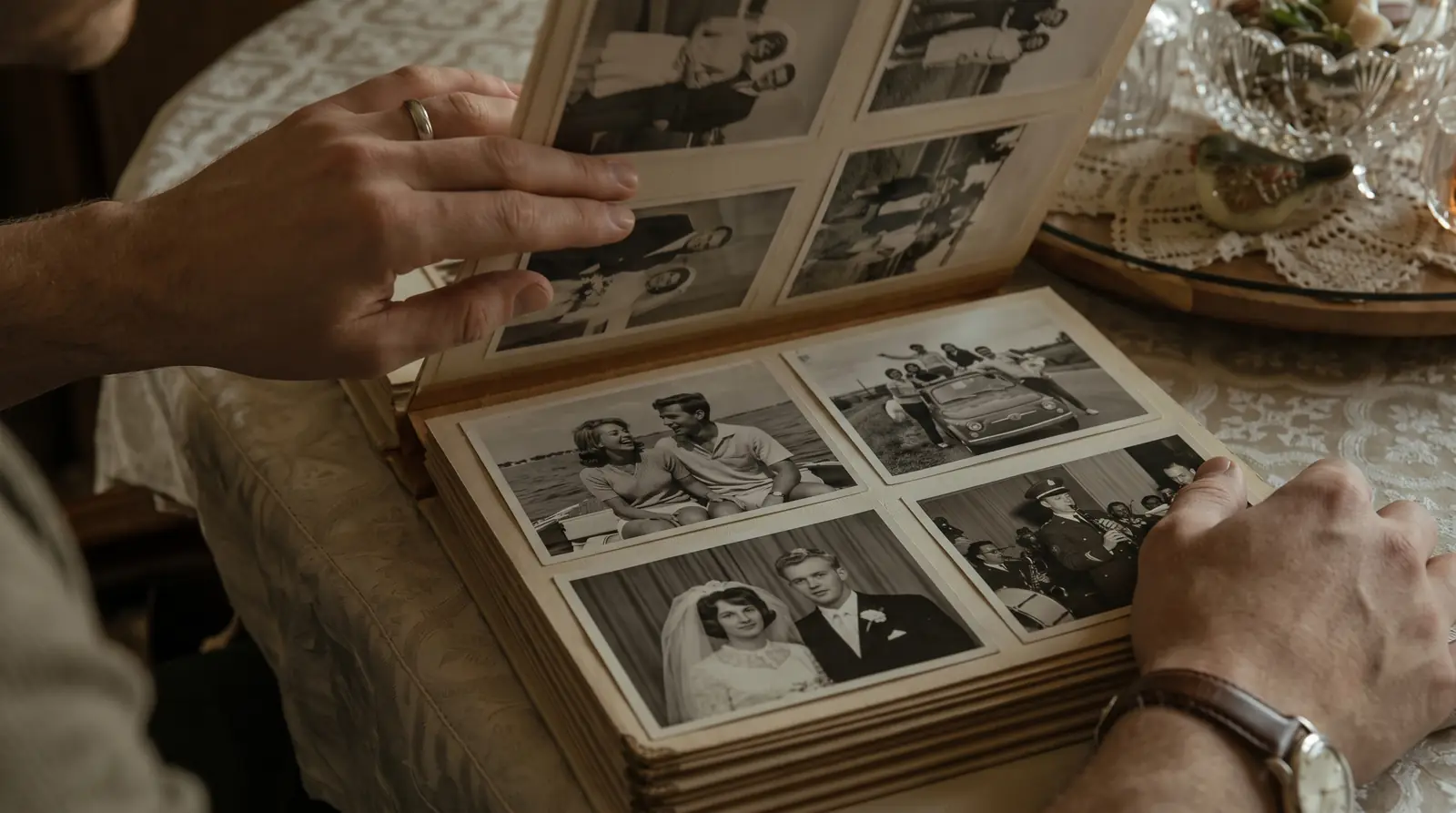
When the family gathers over the holidays, the conversation often turns to Mom and Dad’s house. Maybe a parent is moving to a smaller place, or maybe the house needs to be cleared after a death. Either way, someone eventually asks the hard question: who gets what?
Dividing a parent’s belongings can bring out strong feelings, even in close families. This guide covers practical ways siblings in Collingwood, Midland, Wasaga Beach, Penetanguishene and the surrounding area can divide things fairly before an estate sale or move, and how to keep the process from damaging relationships.
Start with what’s already decided
Before anyone starts choosing, find out what has already been decided:
- If a parent is downsizing, they’re still the owner. Their wishes come first, and many parents want to give certain things to certain people themselves.
- If a parent has died, the will may leave specific items to specific people. The executor is responsible for carrying out the will, and those items come off the table before anything else is divided.
If there’s no will, or the will is unclear about belongings, talk to the estate lawyer before dividing anything of real value. This guide is about the practical side, not legal advice.
Agree on the ground rules first
Most sibling disputes aren’t really about the items. They’re about feeling unheard or treated unfairly. Agreeing on the process before anyone picks anything goes a long way.
Talk about:
- Who’s involved. Just the children? Grandchildren? Spouses?
- What “fair” means. Equal number of items? Equal value? Or simply everyone getting the things that matter most to them?
- How to handle valuable items. Will they be appraised first? Will value count against someone’s share?
- The timeline. When does the house need to be cleared, and when does the estate sale happen?
- What happens to what’s left. Usually sold, donated or cleared out.
Write the rules down and share them with everyone, including siblings who live far away.
Ways to divide things fairly
There’s no single right method. Here are approaches families commonly use.
Take turns
Siblings take turns choosing one item at a time. The order can be decided by drawing names, by age, or by rolling dice. After each round, reverse the order so the person who went last picks first next time. This is simple and feels fair to most people.
Lists and rankings
Each person writes down the items they want most, ranked in order. Where there’s no overlap, everyone gets what they listed. Where two people want the same item, that’s where the conversation, a coin toss or the turn-taking approach comes in.
Coloured stickers
Each sibling gets a different colour of sticker and walks through the house putting stickers on what they’d like. Items with one colour go to that person. Items with more than one colour get sorted out together.
Points or “play money”
Each person gets the same number of points to “bid” on items. This works well for families with many items of similar value and lets people put more points on what matters most to them.
Appraise valuable pieces first
For antiques, jewellery, art or collections, an appraisal helps everyone know what they’re dealing with. Some families agree that anyone who takes a valuable item will have its value counted against their share of the estate. Get advice from the executor or lawyer on how that should be handled.
Include siblings who can’t be there
Not everyone lives close. Families with siblings in Toronto, out west or overseas can still include everyone:
- Take clear photos of each room and the items in it
- Share them in a shared folder or online album
- Hold a video call for the choosing rounds
- Agree on shipping or pickup deadlines for anyone far away
This avoids the feeling that the siblings who live nearby got first pick.
Sentimental items often matter most
The most heated disagreements are often about things with little dollar value: a recipe box, Dad’s toolbox, a well-worn quilt, family photos. A few ideas that help:
- Photos and letters. Scan them so everyone gets a copy.
- Collections. Split them, so each person gets part.
- Shared items. Some families rotate an item, like a holiday dish, between households.
- Stories. Ask why an item matters to someone. It often changes the conversation.
Document what happens
Keep a simple list of who took what. If a parent has died, the executor may need this for the estate records. It also prevents “I thought that was mine” conversations later.
Set a deadline to collect
Once items are chosen, set a firm date for everyone to pick them up. Anything left after that date goes into the estate sale or clear-out. Without a deadline, the house can sit for months with boxes waiting for someone.
Then sell, donate or clear out the rest
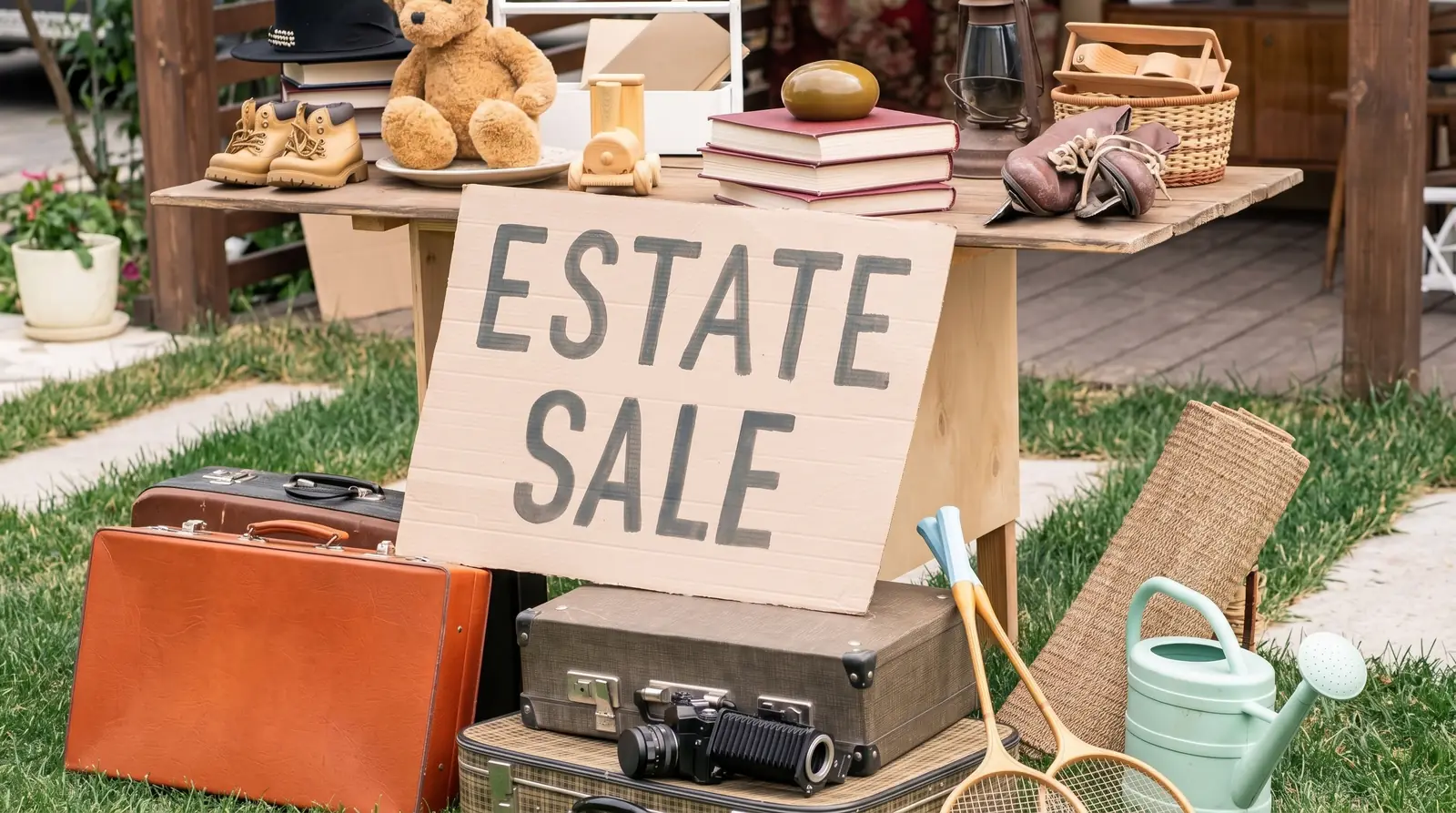
After the family has chosen, most homes still have a lot left: furniture, kitchenware, tools, decor, linens and collectibles. That’s where an estate sale comes in. An estate sale company typically sorts, prices and runs the sale on site, and works on commission, usually in the range of 30%–40% of gross sales. Many companies also set a minimum estate value, often $5,000–$10,000. These are general market ranges, not quotes.
If a parent is moving rather than leaving the home after a death, downsizing help can cover sorting, planning what fits in the new place and arranging the move. Anything that doesn’t sell or isn’t wanted can be handled through an estate clean-out.
One important tip: don’t throw things away before the estate sale assessment. Items you’d never expect, such as old tools, kitchenware, records and costume jewellery, can sell.
Local notes
In Collingwood and The Blue Mountains, many families are dividing a home and a cottage at the same time, which adds furniture and gear to the mix. Around Midland and Penetanguishene, older family homes often hold generations of belongings, so give yourselves more time than you think. See estate sales in Collingwood and estate sales in Midland.
Quick answers
What’s the fairest way for siblings to divide belongings?
Many families take turns choosing one item at a time, reversing the order each round. Others use ranked lists, coloured stickers or points. Agreeing on the method before anyone chooses matters more than which method you pick.
Should valuable items be appraised before dividing?
Yes. An appraisal helps everyone understand what’s at stake, and some families count the value of valuable items against a person’s share. Ask the executor or estate lawyer how that should be handled.
What happens to the things nobody wants?
They’re usually sold in an estate sale, donated or cleared out. Set a pickup deadline for family items first, then let the estate sale company assess what’s left before anything is thrown away.
 Full-service estate sales
 Clear-outs after the sale